
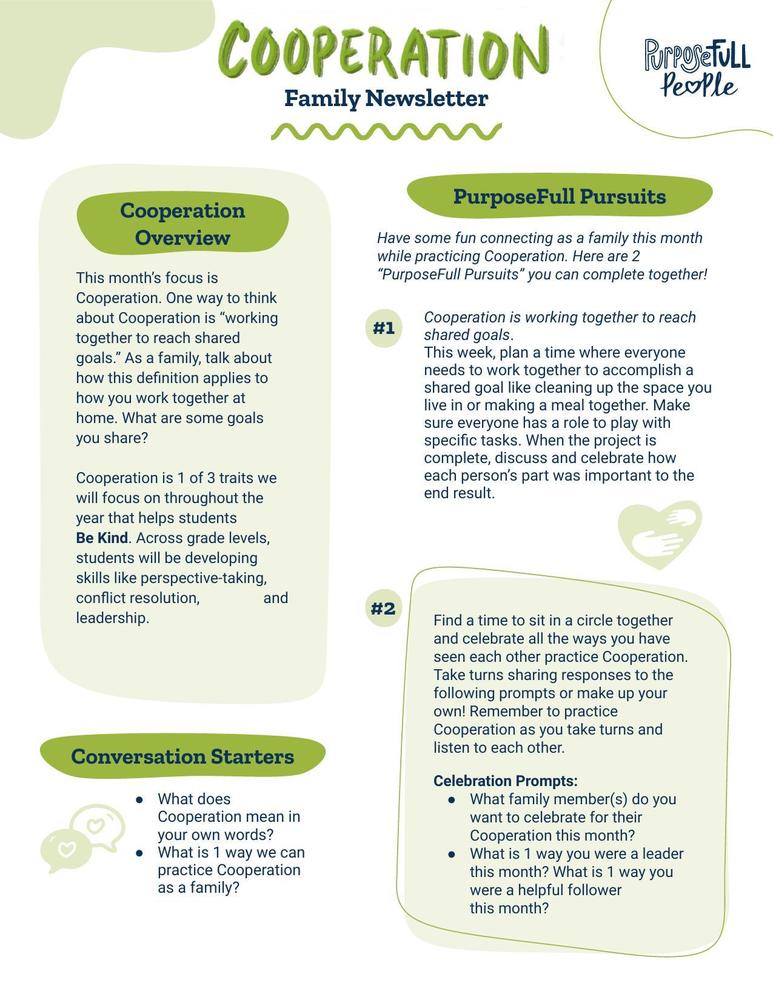
Cooperation for this age group isn't just about "working with others"; it involves a set of specific, observable behaviors:
Sharing: This goes beyond sharing toys. It includes sharing ideas, materials (like crayons or a book), and even responsibilities within a group.
Taking turns: Children learn to wait for their turn to speak, use a tool, or contribute to a project. This helps manage the impulse to always go first or be the loudest voice.
Listening: Active listening is a key part of cooperation. It means paying attention to what others are saying, making eye contact, and trying to understand their perspective.
Compromising: When two or more children want different things, cooperation means finding a solution that everyone can agree on, or at least accept. It's about being flexible and finding a middle ground.
Doing your part: Each child contributes to the group's success. This could be completing an assigned role (like "recorder" or "checker") or simply doing their share of the work.
Encouraging others: Children learn to offer positive feedback and support to their peers, celebrating their contributions and helping them when they're struggling.
Including everyone: Cooperation means making sure no one is left out. It involves inviting others to join a game or project and making them feel valued as part of the group.